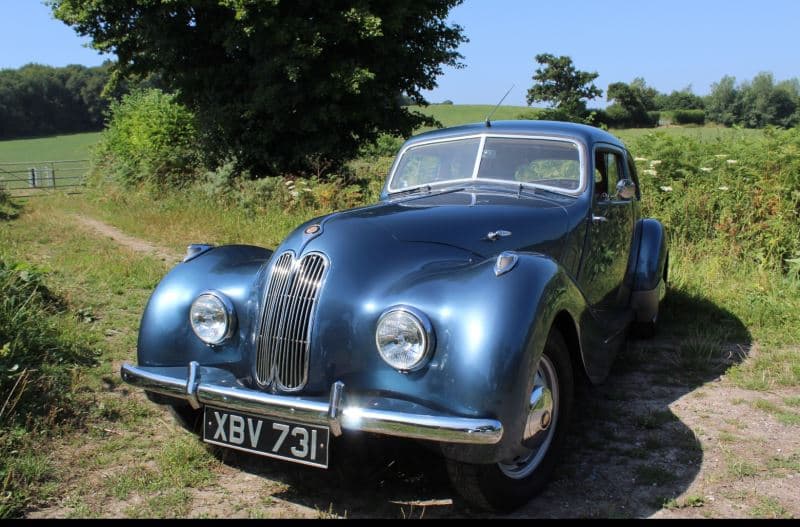
1946 · The beginning
Bristol 400
The first Bristol motor car.
The 400 established the principles that would define the marque: aircraft-informed construction, discreet performance and a refusal to build for the mass market.
Read the chapter
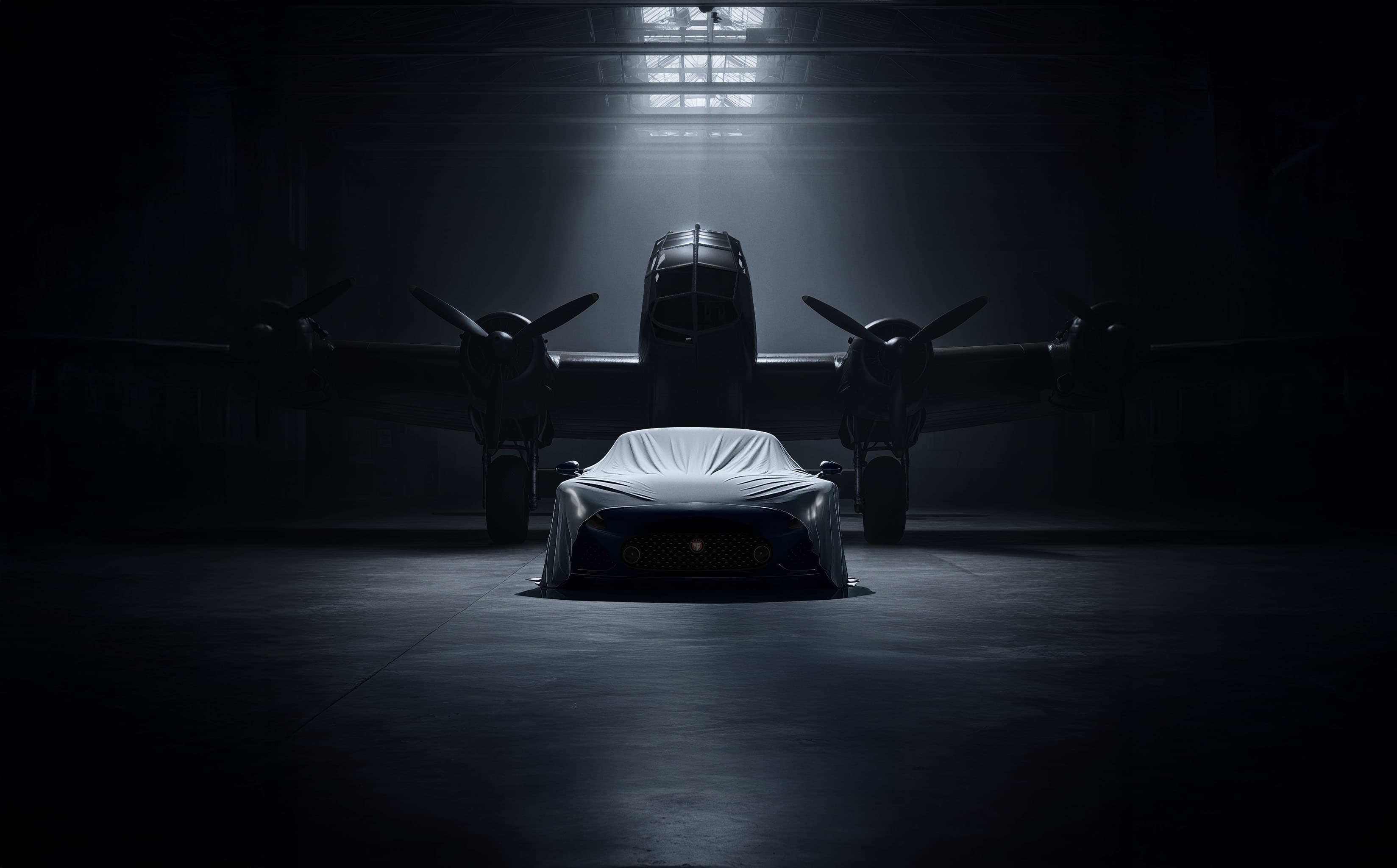
The Bristol register
Eighty years of independent British motor-car engineering, told the way it happened.
A living archive
From the aircraft-informed 400 to the V8 grand tourers and the Fighter, each chapter shows how Bristol approached familiar problems in its own way.
1910 – 1945 · The aeroplane inheritance
Sir George White founded the British and Colonial Aeroplane Company in 1910, and by the Second World War Bristol stood among the world’s great aircraft makers. When peace came, the company faced a question: what should thousands of skilled hands build next?
The answer began in a small room behind Filton House, where a fine pre-war saloon was taken apart onto tables covered in clean white paper, examined and understood. The car division that grew from that room inherited everything around it: the saw mill that had shaped aircraft ash, the press shop, the engine test beds, the design office and its stressmen.
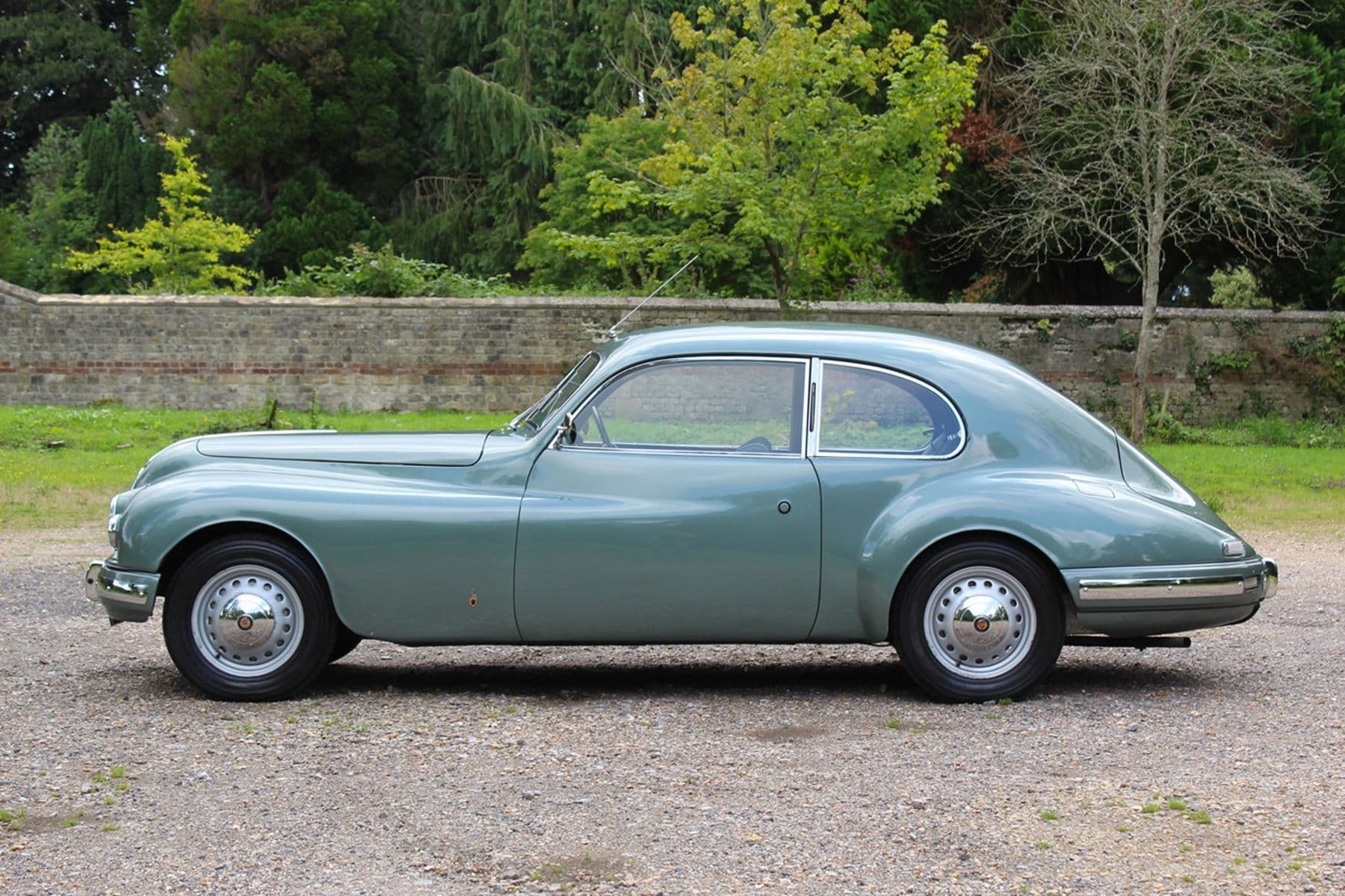
1946 – 1953 · The first cars
The 400 ran under its own power in September 1946 and was shown to the world at Geneva the following March. Every engine was run in on aviation-style test beds, checked between stages, then endurance-tested for four hours. The 401 that followed carried a body stressed with the aircraft company’s own methods, its whole roomier form only 120 lb heavier than the car before it.
Export cars left Filton with a box containing every part, tool and spare an owner at the far end of the world might need. One 401 crossed Canada; the same car was later photographed in Peru, climbing towards a pass at nearly 16,000 feet.
1953 – 1961 · The gentleman’s express years
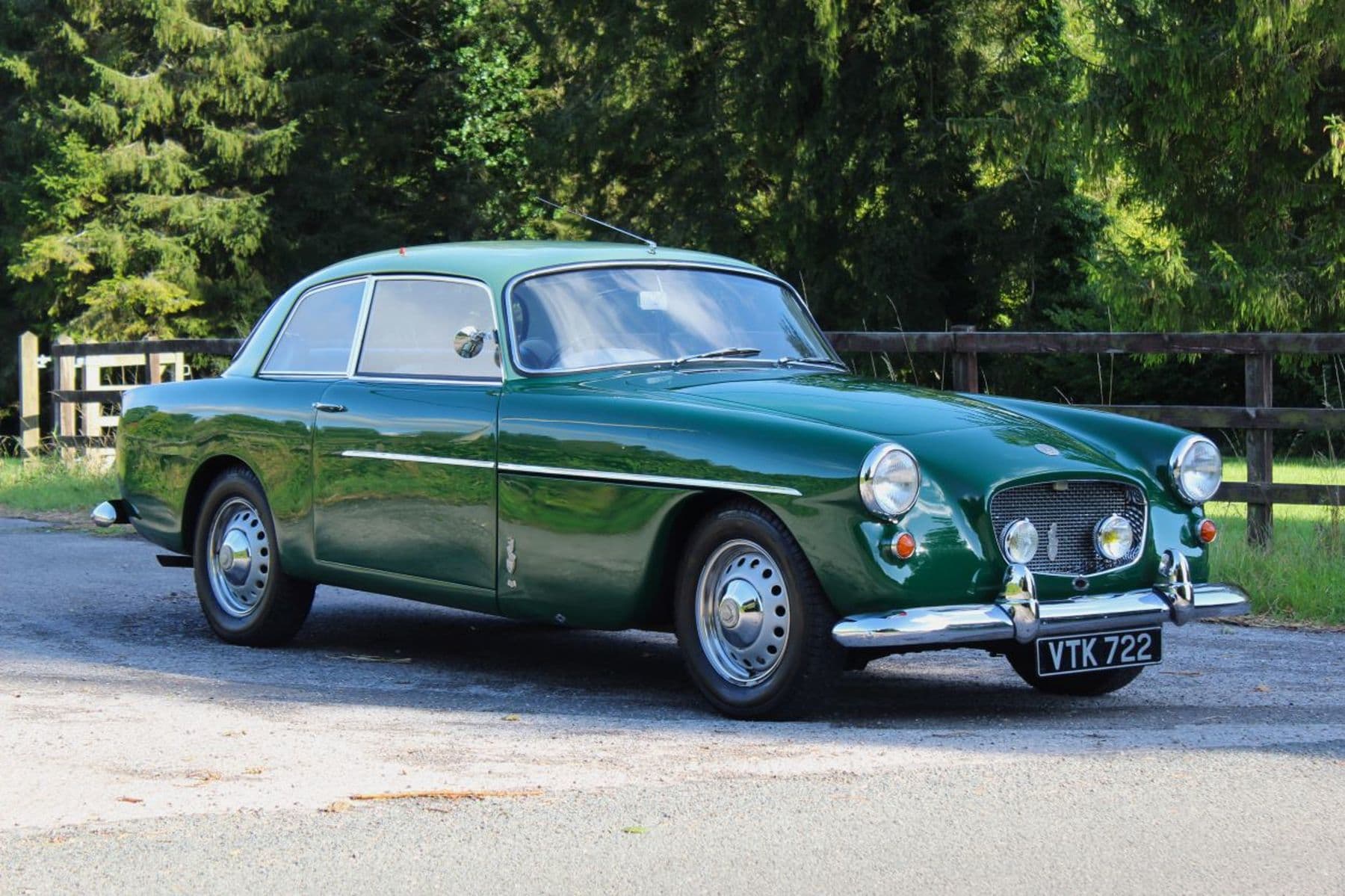
That was an Australian newspaper’s verdict in 1956, and it has described every Bristol since. The short-chassis 404, known in its day as the Businessman’s Express, distilled the idea: a compact, hand-built car of aircraft quality that carried its speed quietly. The 405 became the only four-door Bristol ever made, and the 406 closed the six-cylinder era with disc brakes on all four wheels, among the first of any marque.
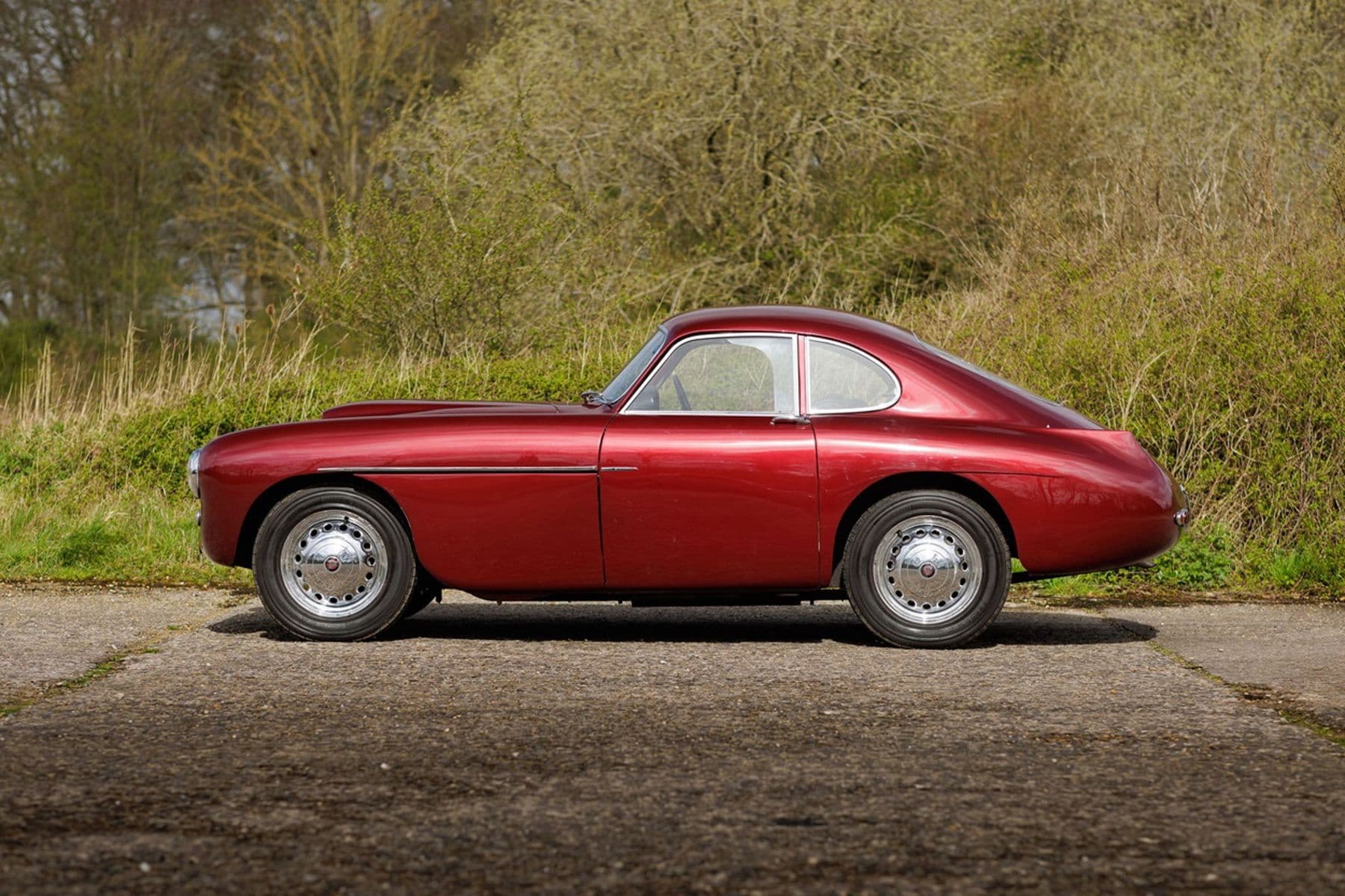
1949 – 1955 · Racing
Bristol raced the way it did everything. Third overall in the 1949 Monte Carlo Rally. Records at Montlhéry, including six hours at 115 mph. At Le Mans in 1954 the three works 450s finished seventh, eighth and ninth overall, first, second and third in class, and were the only complete team to finish; in 1955 they did it again. After the tragedy of that second year, Sir George White, grandson of the founder, gave the team’s prize money to the victims’ fund and Bristol left racing with its record intact.
Bristol’s engine carried others too: the AC Ace, the Cooper-Bristols, the Frazer Nashes. For a decade, British motor racing ran in part on Filton engineering.
1961 – 1993 · The V8 era
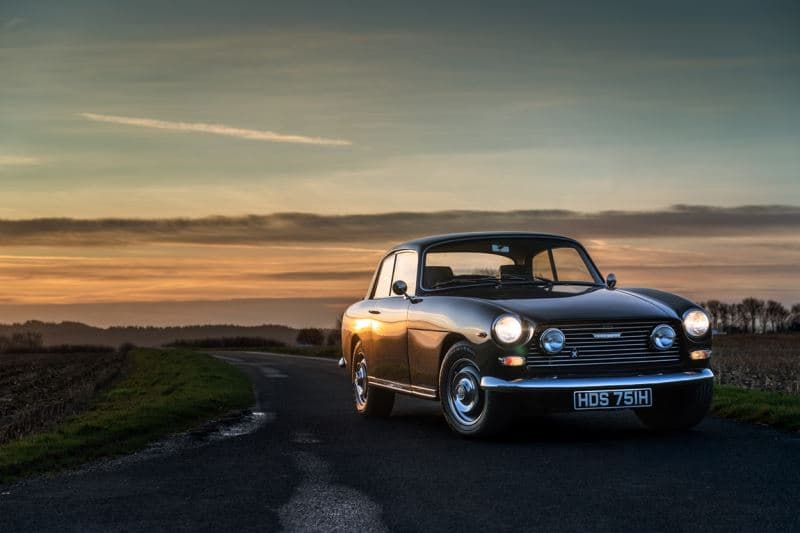
In 1960 the parent board resolved to close the car company. The same Sir George White refused to abandon its people and its owners, bought it with his own money, and with Tony Crook beside him carried the marque on. What followed was the longest chapter of all: the V8 grand tourers.
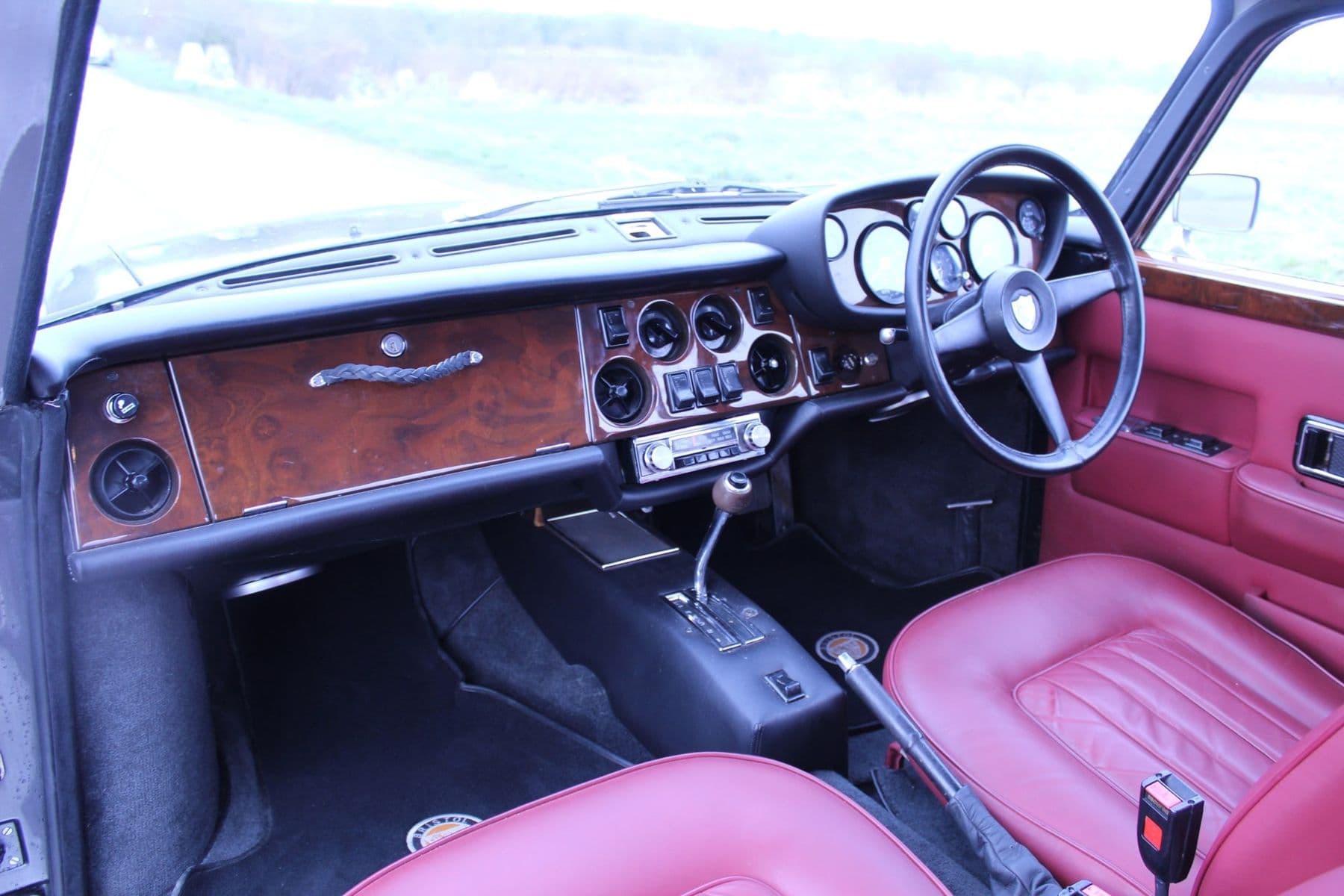
The 411 could cross continents at an effortless 140 mph with four aboard and their luggage. The Beaufighter carried a turbocharger when almost no British production car did. The Blenheim ended the line markedly narrower than any rival, because a Bristol was always sized for real roads. Improvements were engineered to fit earlier cars rather than to sell new ones; change was never made for fashion.
The craft · How a Bristol is made
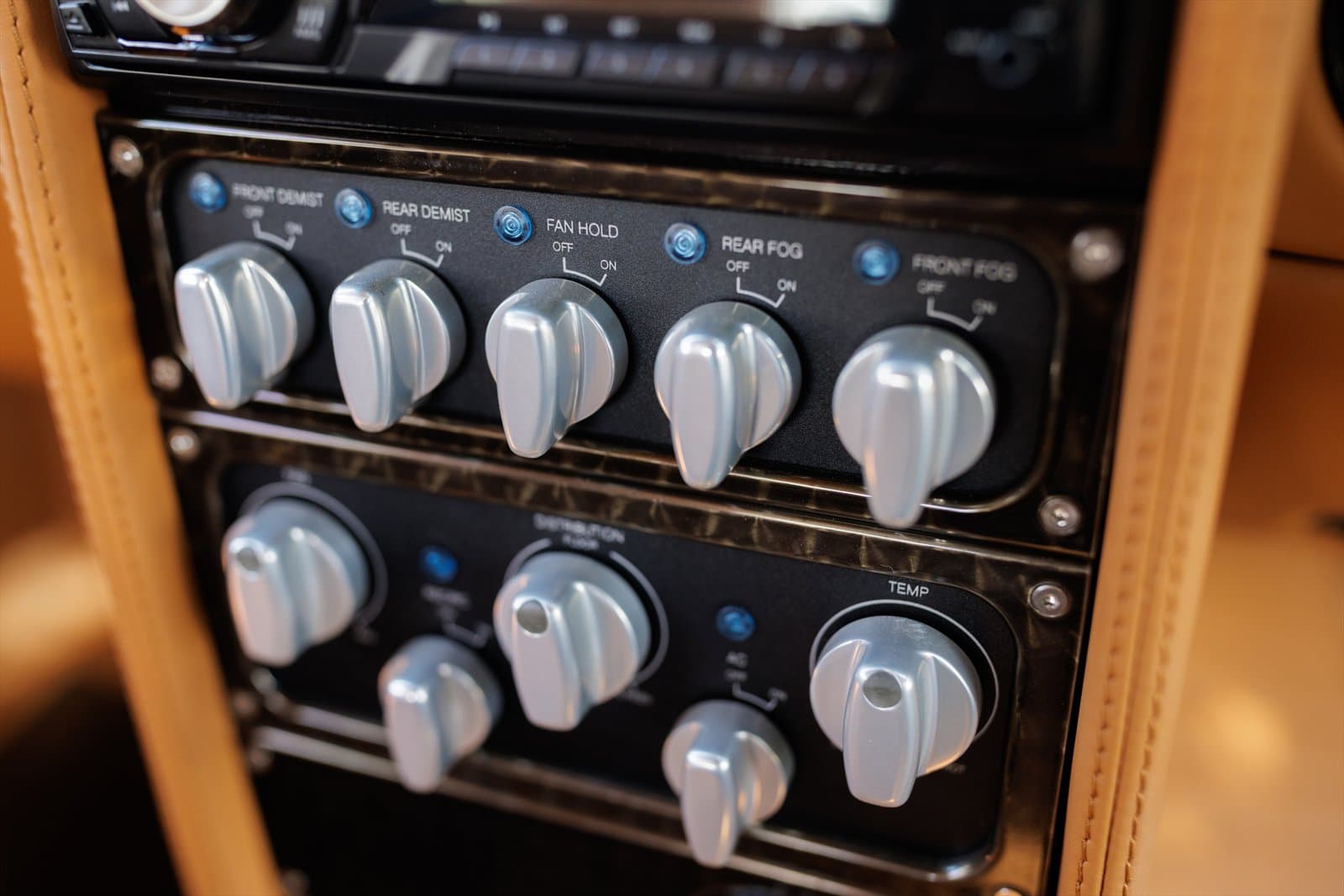
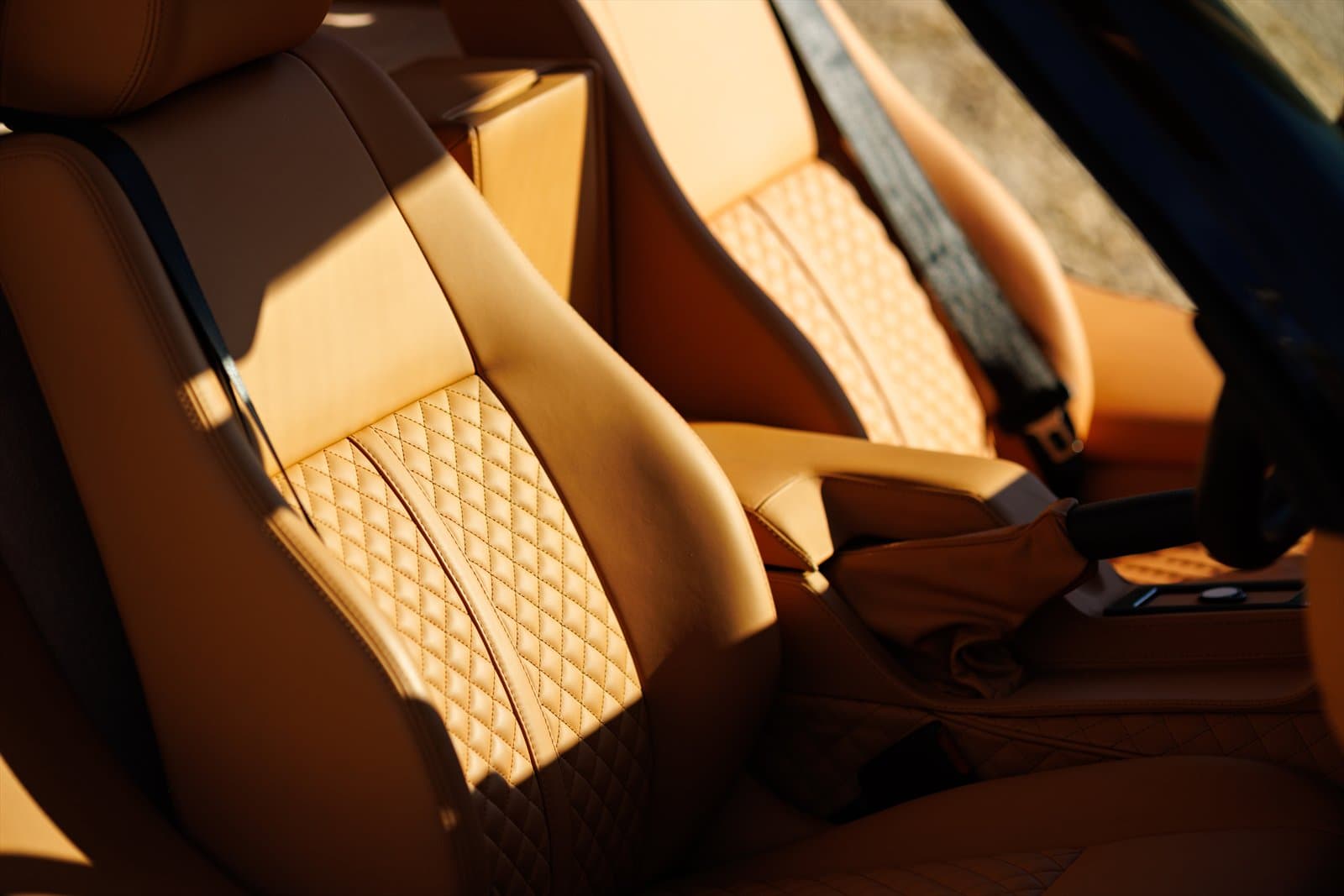
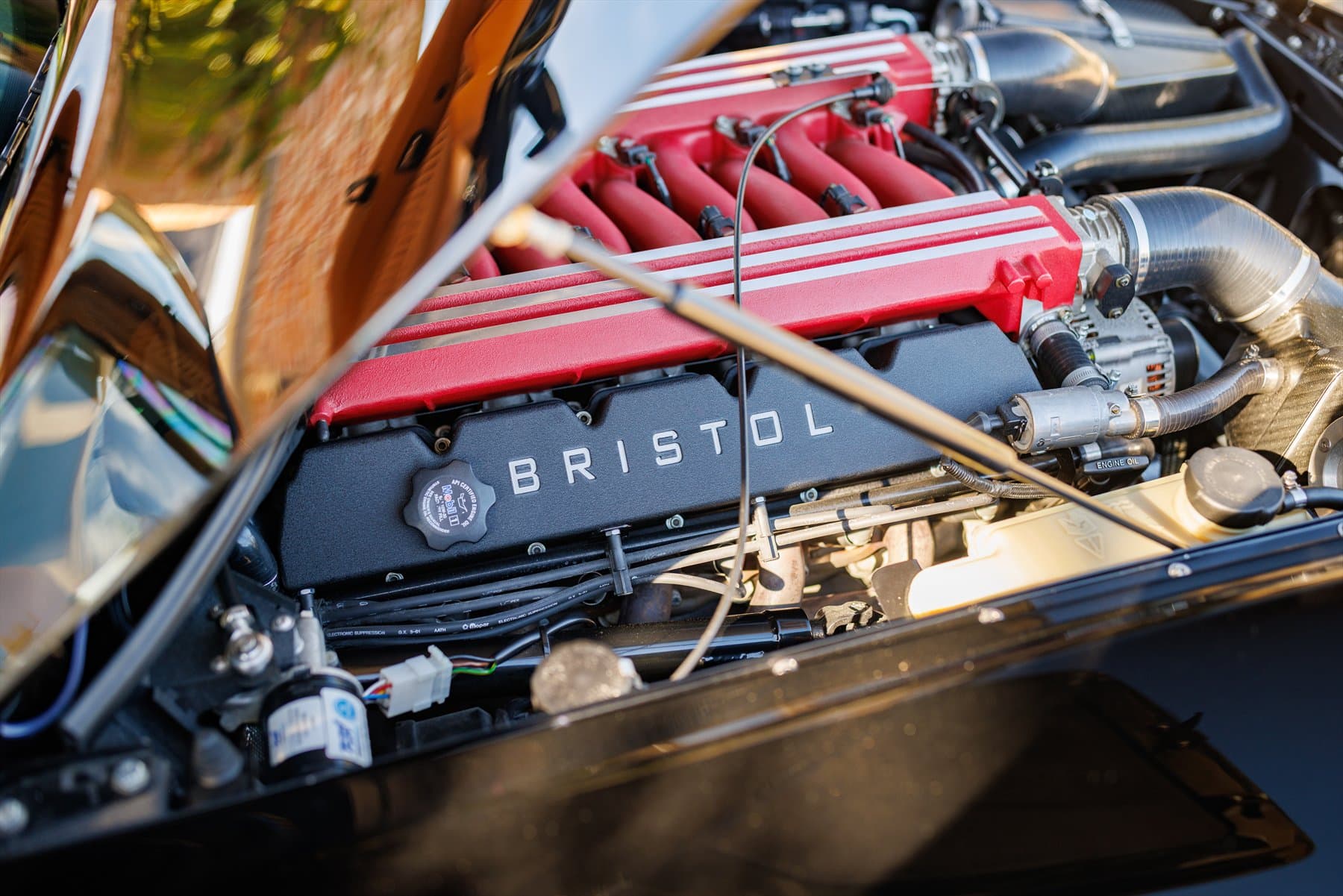
Seventeen coats of paint, rubbed down by hand between them. Wherever aluminium meets steel, a protective paste no one will ever see. Door gaps checked against a template. Suppliers were asked, to their surprise, for bearings that would last fifty years.
The proof is on the road: a 406 that covered some 600,000 miles, 407s past 300,000, a 401 kept by one owner for forty-six years. As the man who wired the very first car put it after sixty years at Filton: “built like battleships”. The final Fighters are built the same way.
The ownership culture
The day books of every car made since 1946 survive. Owners wrote to Filton with findings from their cars and the factory wrote back; some of their suggestions entered production. Cars were built to order, never for stock.
That is still the arrangement. The addresses have changed; the relationship has not.
Featured chapters
A concise selection of cars that changed the direction of the marque.
1946 · The beginning
The first Bristol motor car.
The 400 established the principles that would define the marque: aircraft-informed construction, discreet performance and a refusal to build for the mass market.
Read the chapter1969 · The V8 years
Quiet authority, delivered at speed.
The 411 distilled Bristol’s V8 grand-touring formula into one of the marque’s most recognisable and enduring forms.
Read the chapter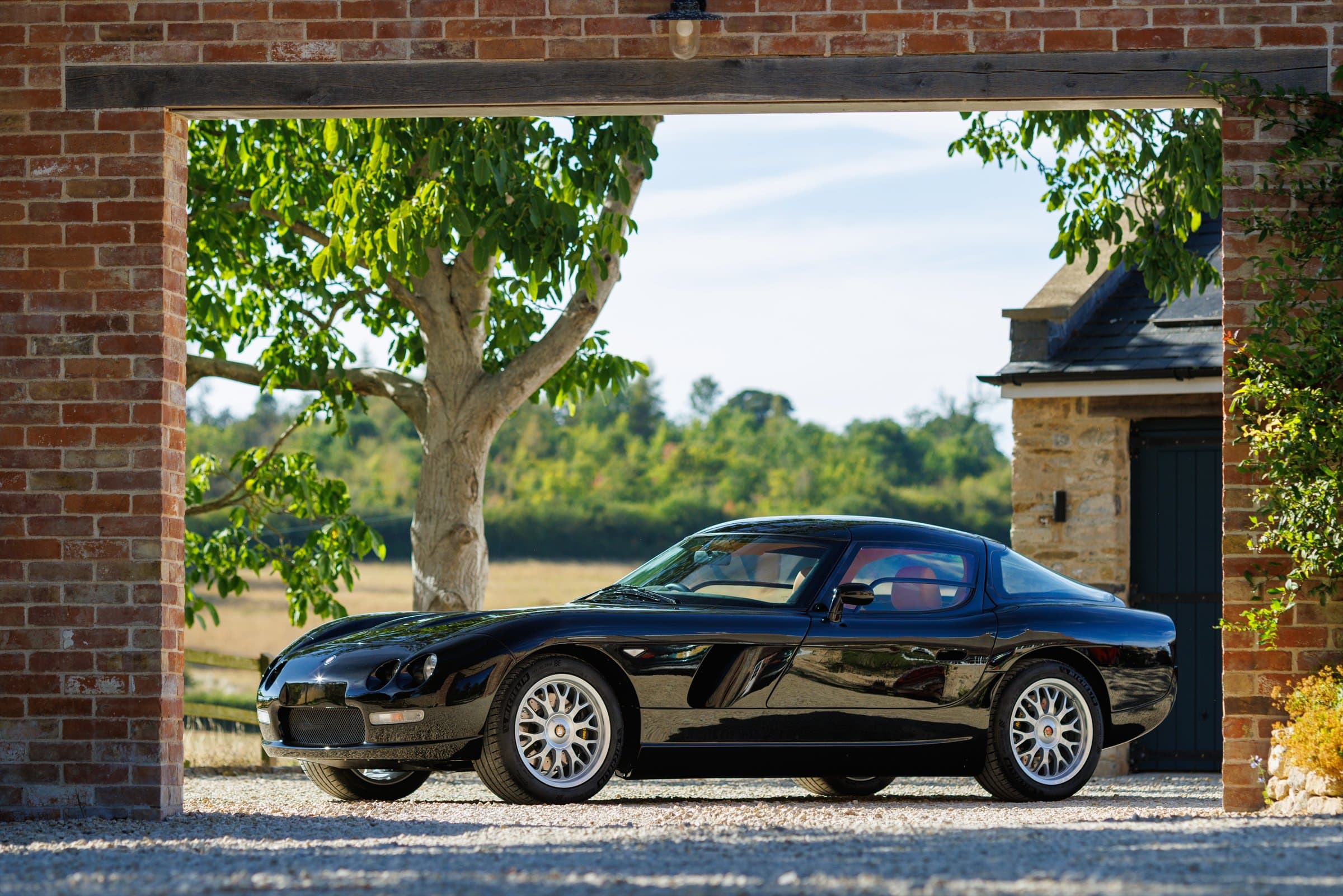
2004 · The V10 supercar, 2004 to 2011
A supercar designed from first principles.
The Fighter rejected the established supercar template, combining a front-mounted V10, compact proportions, exceptional visibility and gullwing doors in a uniquely Bristol form.
Read the chapterBristol Cars Approved
Previously owned Bristols with a published price, from the 400 to the Blenheim, offered by the marque’s specialist and refreshed from their stock list.
Selected chronology
The motor cars begin in 1946, but the discipline behind them begins in the air, with the aeroplanes of the Bristol Aeroplane Company.
The aeroplane years
The motor cars
The first Bristol: a BMW-derived straight-six and aircraft build quality in one motor car, shown at Geneva in 1947.
Wind-tunnel honed and all-aluminium, with an ultra-low drag body that found success around the world.
A rare drophead on the 401’s styling; only twenty-two were made.
The short-chassis 404, known in its day as the Businessman’s Express.
The only four-door motor car Bristol ever produced.
The last of the six-cylinder Bristols, its engine enlarged for torque and its brakes discs on all four wheels, among the first of any marque.
The V8 era begins, with hand-built aluminium sports saloons among the fastest of their day.
For many the zenith of the V8 saloons, capable of an effortless 140 mph with passengers and luggage aboard.
Zagato-designed, with targa and convertible roofs, later turbocharged as the Beaufighter.
Named for the six hundredth year of Bristol’s royal charter of 1373; the fastback that would evolve into the Britannia.
Among the earliest British production cars with a turbocharger, and named for the aircraft.
The turbocharged Brigand answered the end of the oil crisis with supercar pace.
The final development of the saloon line, markedly narrower than any rival, refined to the end.
The V10 supercar designed from first principles.
The open speedster named for the Bristol Scout, marking seventy years of the marque.
Historic-car photography courtesy of SLJ Hackett
Model pages
The story of each model, and the cars of that model currently offered through SLJ Hackett under Bristol Cars Approved.
Original documents
For more than two decades, Bristol Cars used its website to publish model information, technical material and company announcements in its own distinctive voice. Selected documents are reproduced as they were published, with their provenance: the Project Fighter announcement of 2000, the Fighter update of April 2001, the Fighter T announcement of 2006, and the Blenheim Speedster and Blenheim 3G launches of 2003.
Across each era, Bristol pursued long-distance ability, usable performance and engineering that served the driver rather than the fashion of the moment.
Continue to 2026