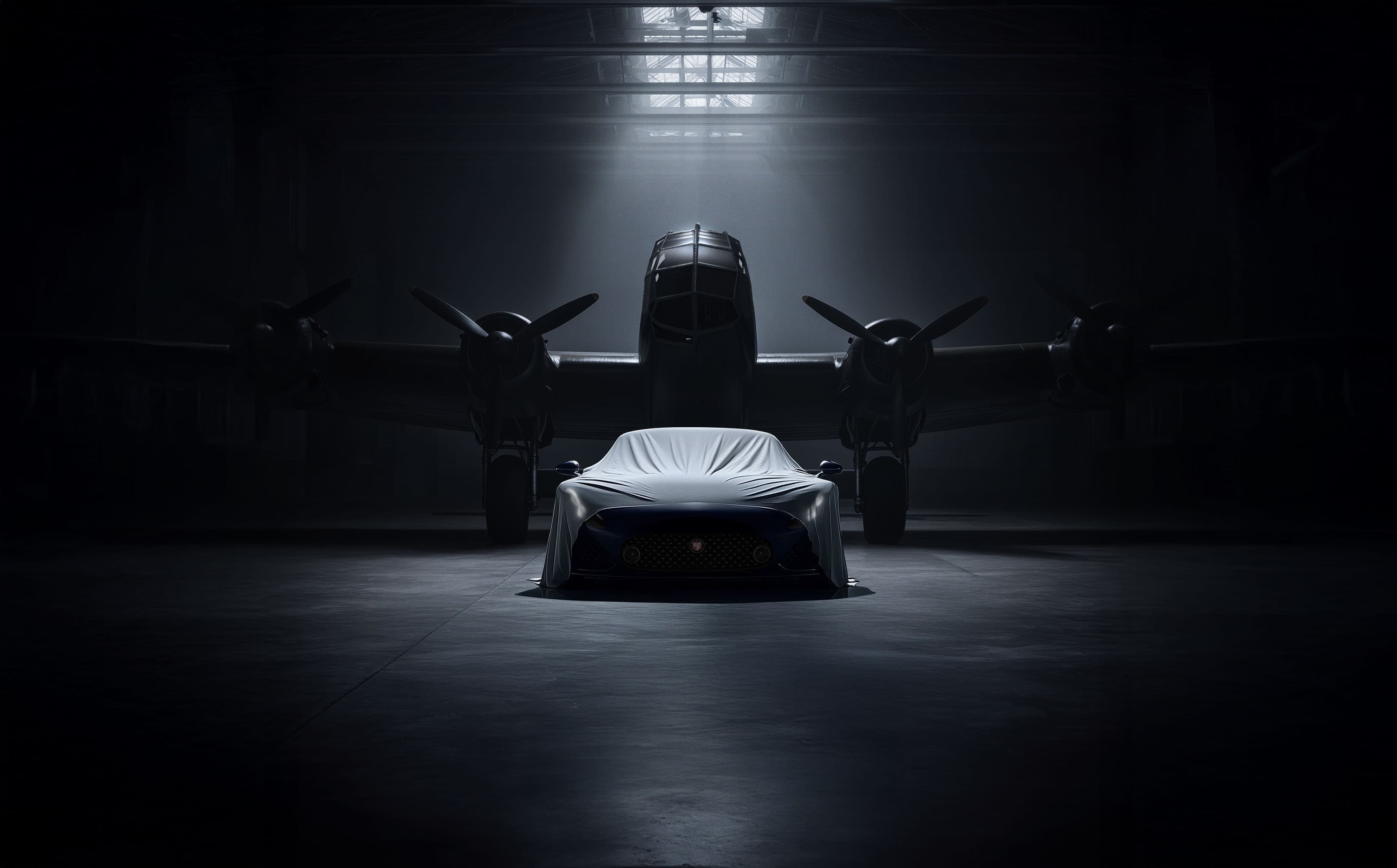
The Beaufighter's turbocharger was a Rotomaster unit, drawing on Chrysler's experience of turbocharging its V8. The engine sat lower in the chassis under a bonnet bulge, with a 440-specification torque converter and a stronger propshaft; Bristol kept centrifugal and vacuum ignition advance rather than electronic, and a simpler silencer made the car lighter overall. It had twin headlamps, electric front seats, a larger side window, a fixed front roof with an opening panel and 225/70 tyres, and the Recaro backrest wheel became standard.
Crook tested it at night on a deserted M4 and on the Filton runway, and one tester said that at full throttle it sounded "like a Spitfire in a dive". First deliveries were made in 1980, and the car stayed in production for about twelve years. Bristol's building-block method, sharing chassis, mechanical parts, dashboards and seats across its late 1970s models, allowed new variants without costly restyling: the Beaufighter's turbocharged engine went on to power the Brigand of the 603 line. A shorter, lighter successor was planned, but it died with the designer Dennis Sevier in 1989.